




How to select the best clothing fabrics
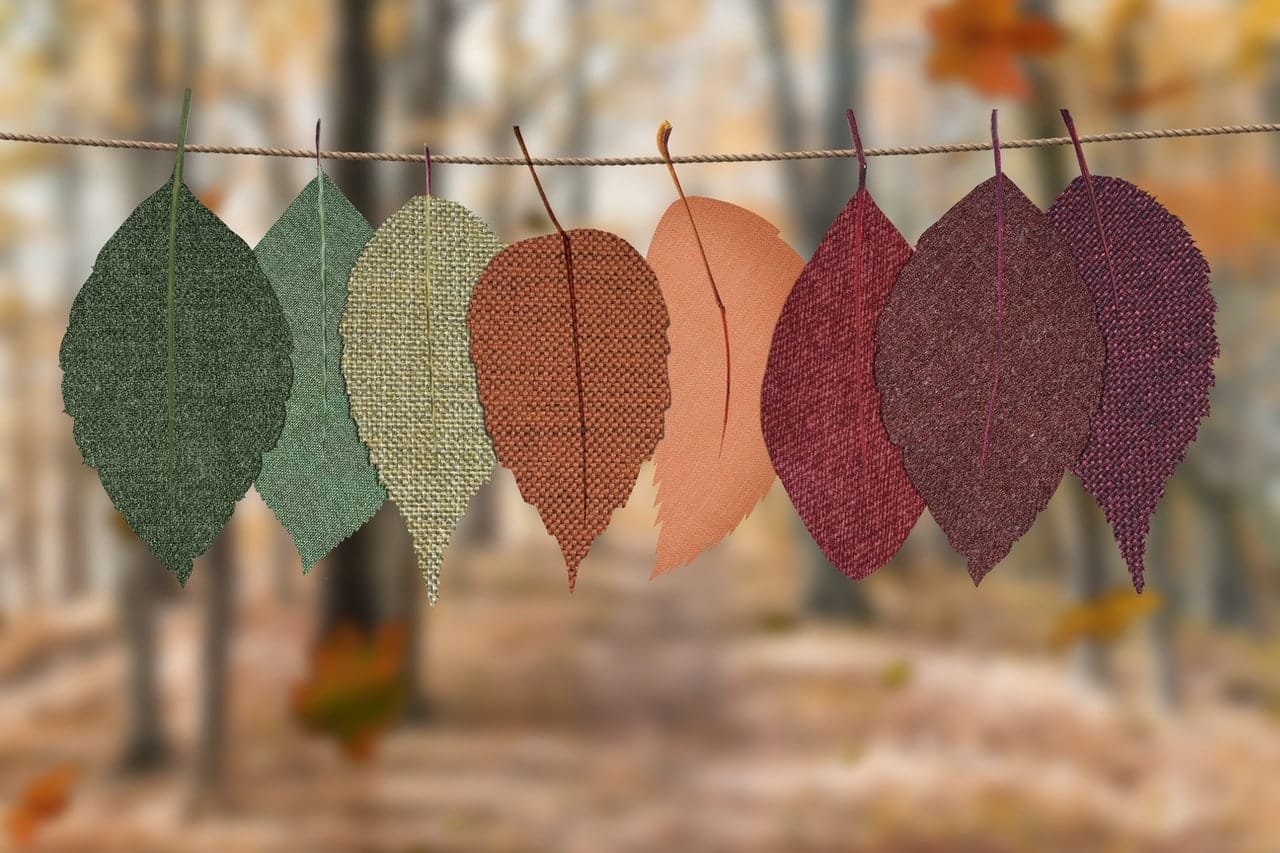
Different type of Clothing Materials
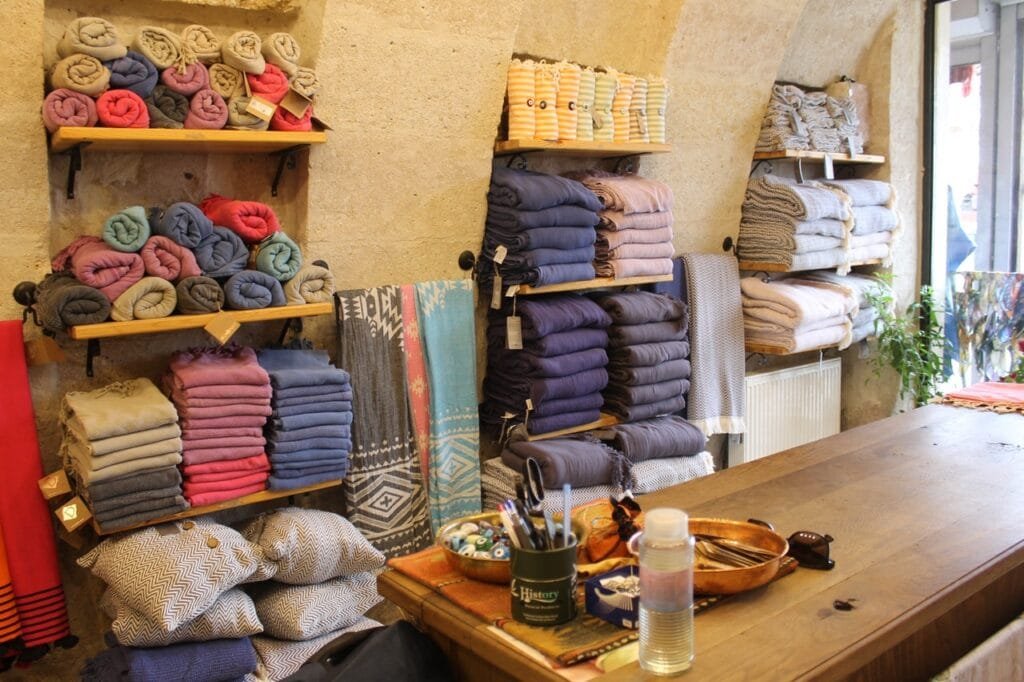
Different substances have different properties. Knowing some of them will help us make an ideal purchase.
1 Cotton cloth
The general term for all kinds of cotton textiles. Commonly used to make fashion, casual wear, underwear and shirts. It is light, warm, soft and comfortable. It has good moisture absorption and air permeability, but it is easy to shrink and wrinkle, so it does not look so stiff and smooth. When wearing clothes made of this fabric, you need to iron it often. But is natural and breathable often highly durable
2 Linen
Linen refers to a fabric made of bast fibres such as hemp, flax, ramie, and jute. It is usually used to make casual and work clothes. It is also currently used to make summer clothes. It has good strength and good moisture absorption, thermal conductivity and air permeability. But it’s uncomfortable to wear, it looks rough and hard.
3 Silk
The general term for all silk textiles is woven with silk threads. Cotton clothes are the same, there are different types, each with its characteristics. It is often used to make all kinds of clothes, especially women’s clothes. It looks bright and shiny. It is light, smooth and breathable. Once you start wearing clothes made of this fabric, you will look elegant and feel very comfortable. However, although it has so many advantages, it still has many disadvantages, such as being easy to wrinkle, fade, and not so durable.
4 Wool
Wool fabric Describes textiles made from different types of wool and cashmere. Generally used to make formal and high-end clothing such as formal wear, suits, and overcoats. It is wrinkle-free, portable, soft and hard. It is also very flexible and good at keeping warm. But it is difficult to wash, not suitable for summer clothes.
5 Leather
These are tannins made from animal skins, mainly used to make winter clothing. It can be divided into two types. One is leather, the other is fur design. Designing fur is easy to keep you warm. It also looks elegant and modest. However, it is very expensive and difficult to store, so you need to be especially careful.
6 Chemical fiber
Chemical fiber is a fiber made of polymer compounds. There are two types, namely synthetic fiber and synthetic fiber. Both are bright in color, soft, sag, stiff, and smooth, but they are not very heat-resistant, hygroscopic, and air-permeable. It will deform when exposed to heat and easily generate static electricity. It can be used to make different types of clothes, but the quality of clothes made from this fabric is not high.These are fabrics made from fibers manufactured in industrial processes. In recent years, the increasing demand for various types of apparel fabrics has promoted the growth of the synthetic fabric manufacturing industry. Common examples are nylon, polyester and spandex, which are preferred because of their low price and easy availability.
- Published in Clothing, Fabrics, Textile Industry
Methods of Printing in Clothing Fabrics (T-Shirts )
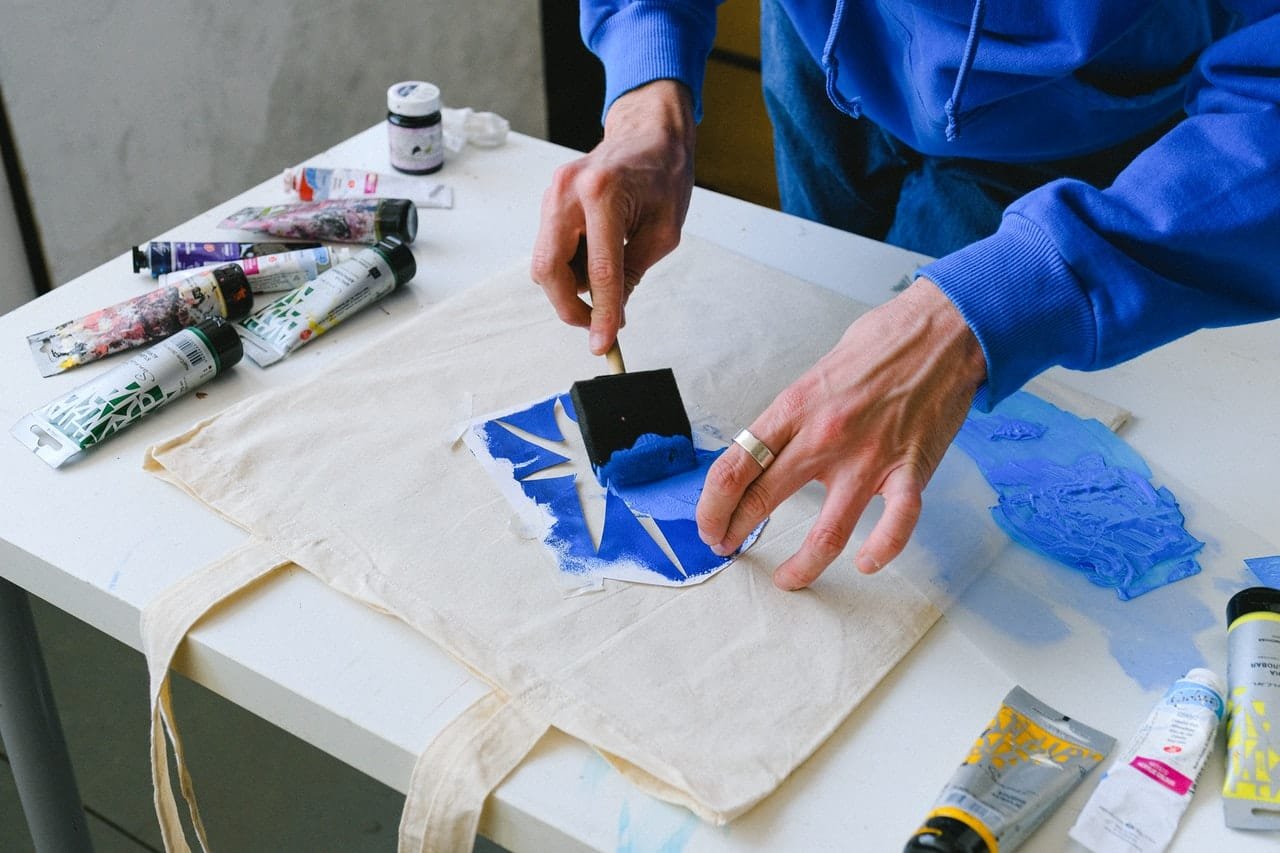
SCREEN PRINTING
The screen printing of T-shirts has been providing customers with elegant, diverse and exquisite patterns for many years. Due to various factors, it has also been the preferred T-shirt printing technology for most textile and fabric printing industries. Although various strategies for T-shirt printing are now being developed and established, why do individuals still use screen printing technology? This is mainly due to the rewards there. So let us uncover what these are. Cost-effectiveness Compared to other printing technologies, T-shirt screen printing technology is very cheap, especially when creating multiple copies of this type of design. Therefore, if you have to deal with batch creation of duplicates, this is considered the best technique. This is not only good for consumers, but also good for entrepreneurs, because he will eventually get huge profits. is fast to execute This technology is definitely fast to execute because it takes less time to set up and print than other technologies. You only need the screen panel and other basic supplies to get started. The color dries quickly, so you can present the results to your customers immediately. In addition, it is simple and effortless, which is very suitable for panic buying. Any style can be achieved Of course, if you want to print large samples, screen printing is the perfect solution. You can mix large and complex styles and designs without causing any distortion of images or text. Therefore, you can choose any type of design you can think of. Versatility This technology is considered a versatile T-shirt printing technology because it can be used to print on various garments, garments and materials. It can even be used to print text and images on ceramics, paper, glass, plastic, fabric, linen, metal and other materials. is rugged and durable screen printing shows that it can produce sturdy and durable results compared to other strategies. Although the product is exposed to harsh environments, the color is still beautiful and delicate, and the product is durable. T-shirt screen printing is obviously an inexpensive method to quickly get your shirt off the ground without sacrificing quality.
DTG PRINTING
Direct Garment Printing (DTG) is a relatively new garment printing process that can be used for full-color printing directly on garments without the need for screen, transfer or sublimation technology. The DTG printer is a clothing printer. At the most basic level, it is an inkjet printer. It is usually based on the Epson printer principle and works in the same way as a printer that prints bills while sitting on a desk. The tray contains a roller, and the T-shirt is placed on the roller and then moves under the print head, just like the way paper passes through the printer. This has some small limitations in speed, but it can still generate full-color prints in a relatively short time. Why use? It is an excellent alternative to standard screen printing, which requires the screen to be created before the job starts. Transfer pressure is a good alternative, so that the initial number is usually larger to make them cheaper. But sweatshirts and polo shirts can also be very successful. The key is to test each piece of clothing until you are satisfied with the printed result. What are the benefits for customers? can be used for white and dark clothing. No sieve is required. An easy-to-obtain artwork. Only high-resolution JPEG is required. Uniform print quality after setting Even with a very delicate design, excellent details can be achieved. The maximum print area is A3. Set the speed What are the disadvantages of the process? In order to obtain the best print quality, it is best to use a single-head machine, so the process is slow and the operation time is longer. Color T-shirts need pretreatment. has the best operation. These may be small, about 12 T-shirts. The initial artwork must be of sufficient quality. The machine requires some maintenance and a certain level of maintenance to reach its full potential. This should be done every 3 days. Who is the ideal customer for digital direct-injection printing? Customers who need to design short versions (up to 50) with multiple colors. These are typical uses; hens and bachelor parties company events charity events small businesses that want to print a full-color logo in a short time promotional events magazine launch sports travel kids club. Fun gifts for surprise parties. Conclusion Direct printing on clothing can cost-effectively produce personalized T-shirts for one-time events or customers who do not need a large amount of clothing.
- Published in Infographics, Marketing
Types of Cotton Fabrics
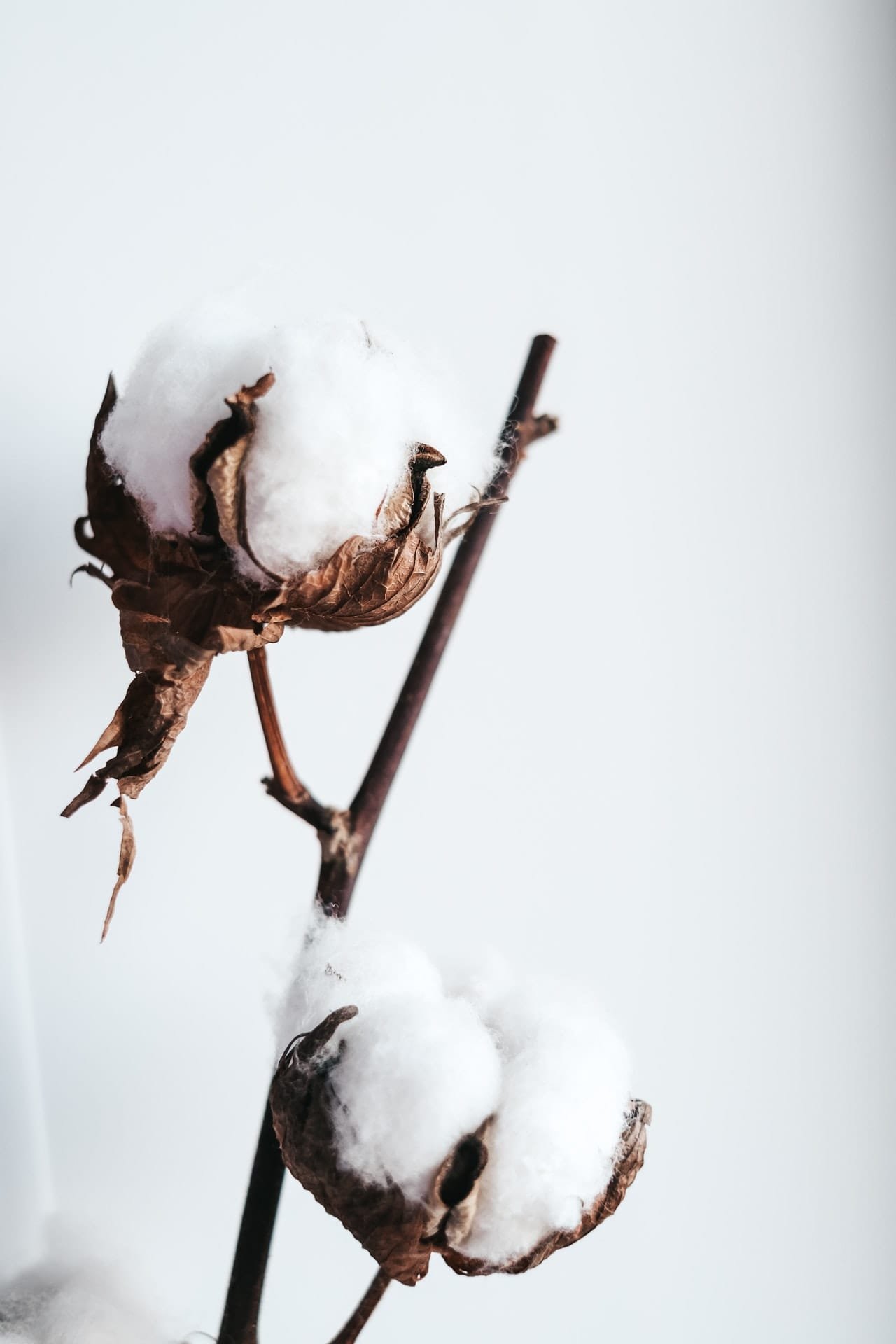
Most Used Cotton Types
Cotton clothing is very popular. Most people own some type of clothing, which is either made entirely of cotton or at least contains some cotton. This is a very comfortable material, and many people like to wear it. There are many different types of cotton that can be used for clothing which are not quite popular.Lets discuss the different types and usage
EGYPTIAN COTTON OR GIZA COTTON PIMA COTTON
The highest quality coton is pima cotton.This Cotton in Egypt is made from a plant called Gossypium barbadense or a plant called Gossypium hirsutum, which is another cotton plant. This cotton is picked by hand, not by machine. This ensures the highest level of purity because the fibers are not stressed, they remain straight and intact. These plants grow in the Nile Valley, an ideal climate for cotton cultivation. These plants provide extra long stacks or fibers that are very suitable for weaving. The length of these short fibers varies from one and a half inches to two and a half inches, almost twice that of other cotton fibers. Compared with other cottons, this is a huge advantage because it can spin them into very fine yarns to create soft, shiny, durable fabrics. This is just the beginning. This cotton has other advantages over other types of cotton, especially when used for bed sheets. This type of cotton is very absorbent and can make bright colors last longer. It is very durable, so the bed sheets last longer and become softer and more luxurious with every wash. When you buy new 100% Egyptian cotton sheets, they may feel a bit “hard” or not as soft as you expected. Every wash will change and you will be pleasantly surprised by the result. Another feature of bed sheets made of Egyptian cotton is that the fibers produce less fluff, so the pilling rate is almost zero. Last but not least, Egyptian cotton is a breathable material that keeps you cool in summer and warm in winter
AMERICAN COTTON TYPES
Three different types of cotton are grown in the United States. Two of them are long-staple black-seed cotton or island cotton varieties, which grow better on the east coast of the United States. The third variety is a short-staple cotton called Greenseed, which can be grown inland. It has been found that short-staple cotton is the least difficult to grow because it is a more resilient and productive plant. After the introduction of slaves in the South, cotton became more and more popular. The reason for its popularity as an industry is that growing and harvesting cotton is very labor-intensive, and slaves provide labor. As short-fiber cotton grows better and has lower production costs, the deep south has become a place for cotton cultivation. The invention of the cotton gin greatly reduced the tedious work and made cotton production easier and more profitable. Short-fiber cotton is becoming more and more popular, but it is indeed a poor quality cotton. It is used more and more because of its lower manufacturing cost and therefore lower purchase cost. In addition to lower production costs, short-staple cotton has no advantages over Egyptian
SUPIMA COTTON
Supima Cotton is basically a genetic cross between high-quality sea island (Georgia Island, USA) cotton and Egyptian cotton blend.
This new blend was first grown in Sakarton, Arizona, where the Pima Indians planted this new cotton and all field trials played an important role. Therefore, the name Pima was created for this new mixture. Over the years, better quality cotton has been developed and is called high-grade Pima cotton. It is difficult to say fine Pima cotton, even more so with product labeling. Therefore, under normal circumstances, the name is abbreviated as Supima.
Pima is a super long-staple cotton that is now grown in Peru, Australia, and other producing countries to meet global demand. Therefore, the product you are currently using may be made of Pima cotton instead of Subima cotton. Long-staple Supima cotton has higher quality and softness than other cotton
ORGANIC COTTON
Organic cotton is cotton from non-GMO crops that does not use pesticides and synthetic fertilizers, and will eventually enter the air, water, soil and food supply. Organic cotton production improves the biodiversity of the environment and promotes the balance of the ecosystem. All cotton sold in the United States in organic form must meet the special requirements for cotton cultivation established by the National Organic Program of the United States Department of Agriculture.
All organic cotton producers must meet the standards of the Organic Food Production Act of 1990, which is implemented by the National Organic Program.
The first organic cotton project was launched in Egypt in 1990. Today, natural cotton is grown in more than 22 countries. The main countries that successfully produce organic cotton are:
1. India
2. Turkey
3. China
4. Syria
5. Tanzania
6. United States
7. Uganda
8. Peru
9 Burkina Faso
- Published in Infographics, Marketing